Underdogs Shine at World Cup: Analyzing Tactical Success
The 2026 World Cup sees lower-ranked teams like Cape Verde and South Africa achieving surprising results through tactical discipline and innovation.
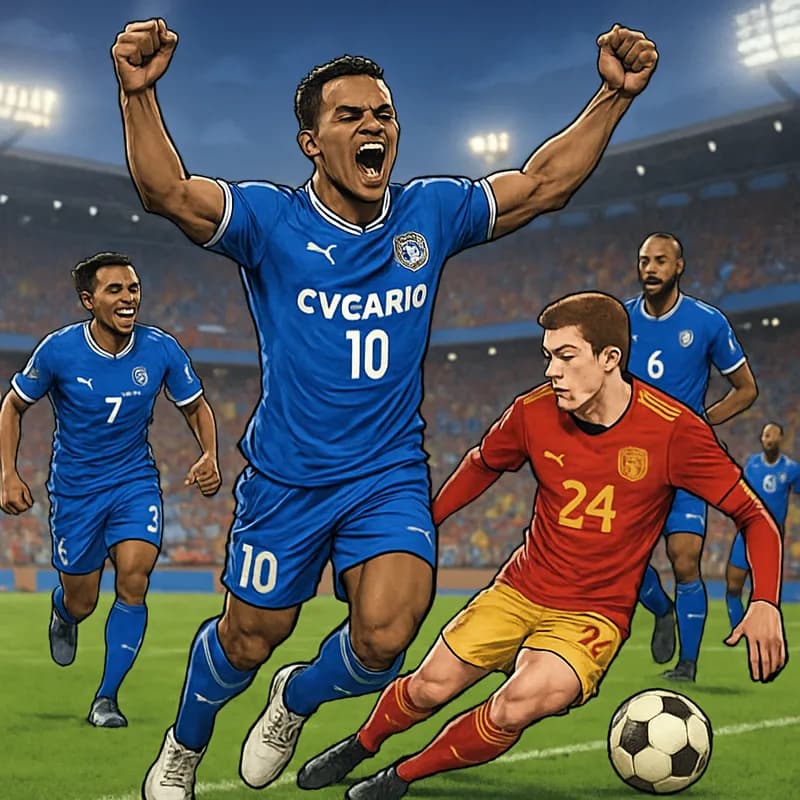
World Cup Surprises: The Rise of Underdogs
The 2026 FIFA World Cup has showcased a remarkable trend: lower-ranked teams are stepping up and delivering impressive performances against some of the world's best. Teams like **Cape Verde**, **Curacao**, **Ghana**, and **South Africa** have managed to take points from higher-ranked opponents, defying expectations and showcasing their potential on the world stage.
One of the standout matches occurred when **Cape Verde** held **Spain**, ranked 3rd in the world, to a goalless draw. This match was not just a stroke of luck; it highlighted Cape Verde's tactical acumen. Utilizing a compact **4-5-1** formation, they effectively stifled Spain’s attempts to create opportunities, demonstrating a disciplined defensive strategy that frustrated the Spanish side throughout the match.
Analyzing Tactical Innovations
The tactical approach of Cape Verde was particularly noteworthy. By maintaining minimal gaps between their midfield and defensive lines, they denied Spain the space needed to exploit their high-possession strategy. When Spain opted to pass the ball back to lure Cape Verde's midfield into action, the underdogs remained resolute, refusing to engage and thus preserving their solid formation.
This performance illustrates a broader trend in the tournament where tactical planning and execution have allowed underdogs to compete effectively against higher-ranked teams. For instance, **South Africa** achieved a stunning victory over **South Korea**, leading to their first-ever advancement to the knockout stage. Such results challenge the traditional hierarchy of football, proving that preparation and strategy can level the playing field.
The Impact of Expanded Format on Competition
The 2026 World Cup's expansion to 48 teams has reshaped the competitive landscape. While it has introduced more teams into the tournament, it has also created scenarios where teams can play for specific results to secure advancement. This new format allows for more third-placed teams to qualify, which has led to a less intense sense of jeopardy in some group stages.
For example, **South Korea**'s hopes of progressing remained alive despite their defeat to South Africa, thanks to the new third-placed qualification rule. This structure can lead to strategic gameplay where teams might aim for draws or specific results to ensure they advance, as seen in the current tournament dynamics.
As the tournament progresses, these underdog stories highlight the unpredictable nature of football, where tactical discipline and strategic planning can lead to remarkable upsets. The success of teams like Cape Verde and South Africa serves as a reminder that the World Cup is not just about the biggest names but also about the spirit and determination of underdog nations.