FA's Denial on Heading and Brain Injury Sparks Outrage
John Stiles reacts to the FA's denial of a link between heading and brain injuries, sparking outrage and concern over player safety in football.
FA Denies Link Between Heading and Brain Injuries
The Football Association (FA) is facing backlash after allegedly rejecting the connection between heading the ball and brain injuries, a claim that has left many, including the son of late footballer Nobby Stiles, feeling outraged. John Stiles, who has been an advocate for player welfare through his campaign group Football Families for Justice, expressed his disgust at the FA's stance.
Reports indicate that the FA's defense in a leaked High Court claim suggests that it does not owe a general duty of care to footballers regarding this issue. This revelation has intensified the debate surrounding the health risks associated with heading the ball, particularly in light of Stiles' own struggles with advanced dementia before his death in 2020.
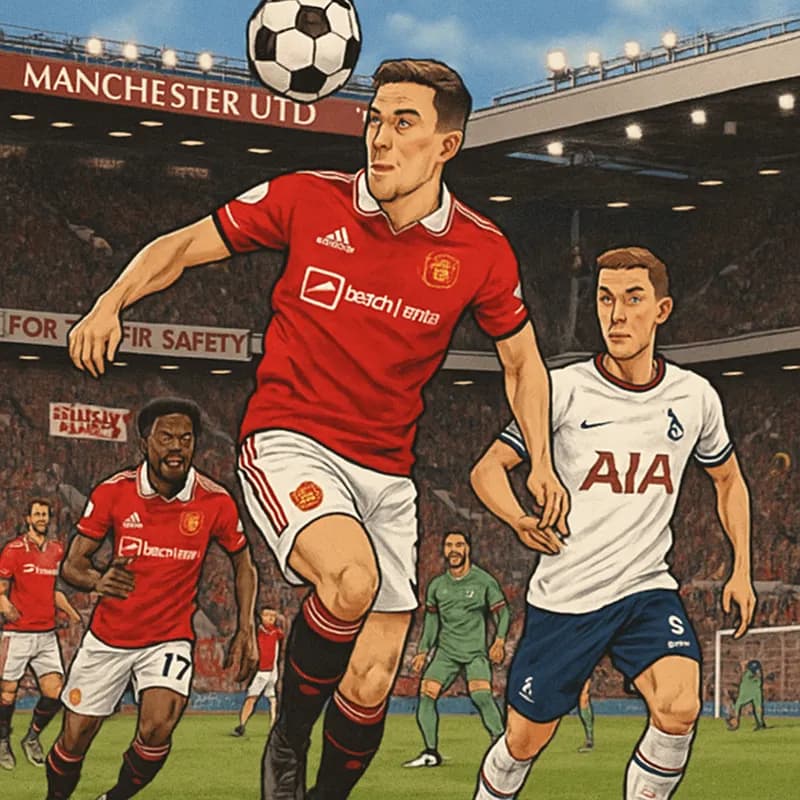
Stiles, a member of England's 1966 World Cup-winning team and a former Manchester United player, donated his brain for medical research to investigate the potential links between heading and brain injuries. His family hopes that this research will bring greater awareness and accountability to the issue.
Concerns Over Player Health
The controversy has reignited discussions about player safety in football, particularly regarding long-term health implications for those who have played the game professionally. The FA has stated that the link between heading in football and long-term brain health is still under investigation by the scientific and medical communities. However, advocates argue that more should be done to protect players from the risks associated with heading.
As John Stiles emphasizes, there is a growing body of evidence that suggests a connection between repeated heading and neurodegenerative diseases, including dementia. This has led to calls for the FA to take more proactive measures to support former players who have suffered from such conditions.
In light of these developments, the football community is being urged to engage in a serious dialogue about the implications of heading in the sport. The ongoing research and advocacy efforts aim to ensure that current and future generations of players are better protected from potential health risks.