Norway's Tactical Evolution: Lessons from the Past and Future
Norway's national team aims to succeed at the World Cup by learning from past failures and embracing a modern tactical approach under Ståle Solbakken.
Learning from History: Norway's Past Failures
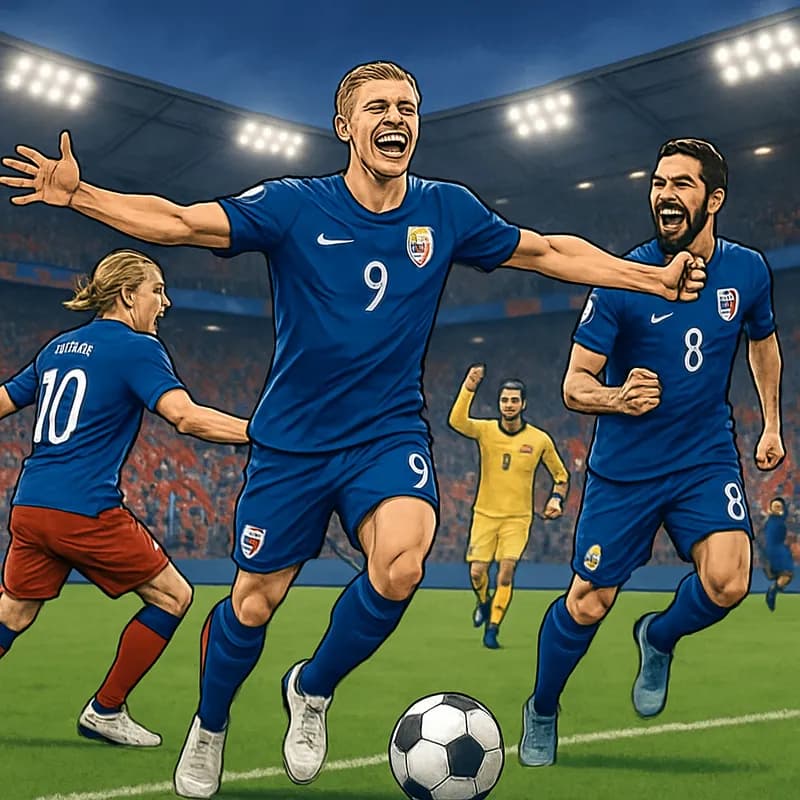
The Norwegian national football team is gearing up for the World Cup with a fresh approach under head coach Ståle Solbakken. Unlike the class of '94, who faced harsh criticism for their lack of tactical flexibility, this current squad is characterized by a slick, modern style of play. Historical context is crucial; the 1994 team, despite qualifying impressively, fell short of expectations in the tournament, failing to replicate the quality they displayed in qualification.
Lars Bohinen, a member of that squad, recalled the disappointment of not reaching the standards set during qualifying. This sentiment underlines the pressure on the current team to avoid similar pitfalls. With a generation of players who have gained experience in top leagues, Norway's ambitions are higher than ever.
The Modern Tactical Model
Solbakken's team is noted for its fast and flexible tactics, contrasting sharply with the no-frills approach of the 1994 side. This modern model emphasizes dynamic attacking play and adaptability on the field. The integration of players who are accustomed to high-pressure environments in leagues such as the Premier League and Bundesliga has fostered a more sophisticated understanding of the game.
As Norway prepares for their World Cup campaign, the focus will be on maintaining this tactical fluidity. The current squad boasts players who can interchange positions effectively and exploit spaces, which is essential in a tournament setting where adaptability can often be the difference between success and failure.
Key Players and Leadership Dynamics
Leadership within the squad will also play a pivotal role. The absence of a clear hierarchy was a criticism of the England squad during Euro 2024, as noted by Jude Bellingham. While Norway’s internal dynamics are less documented, the presence of experienced players who are capable of guiding younger talents will be crucial. The team will need to cultivate a strong sense of unity and purpose as they aim to advance past the group stages.
With the right blend of youth and experience, Norway has the potential to make a significant impact in this World Cup. The lessons from the past, particularly the need to perform under pressure, will be at the forefront of their preparations.