Liverpool's Tactical Misfire: A Review of PSG Defeat
Liverpool's tactical decisions against PSG led to a disappointing defeat, leaving their Champions League hopes hanging by a thread. Analysis inside.
Assessing Liverpool's Tactical Choices Against PSG
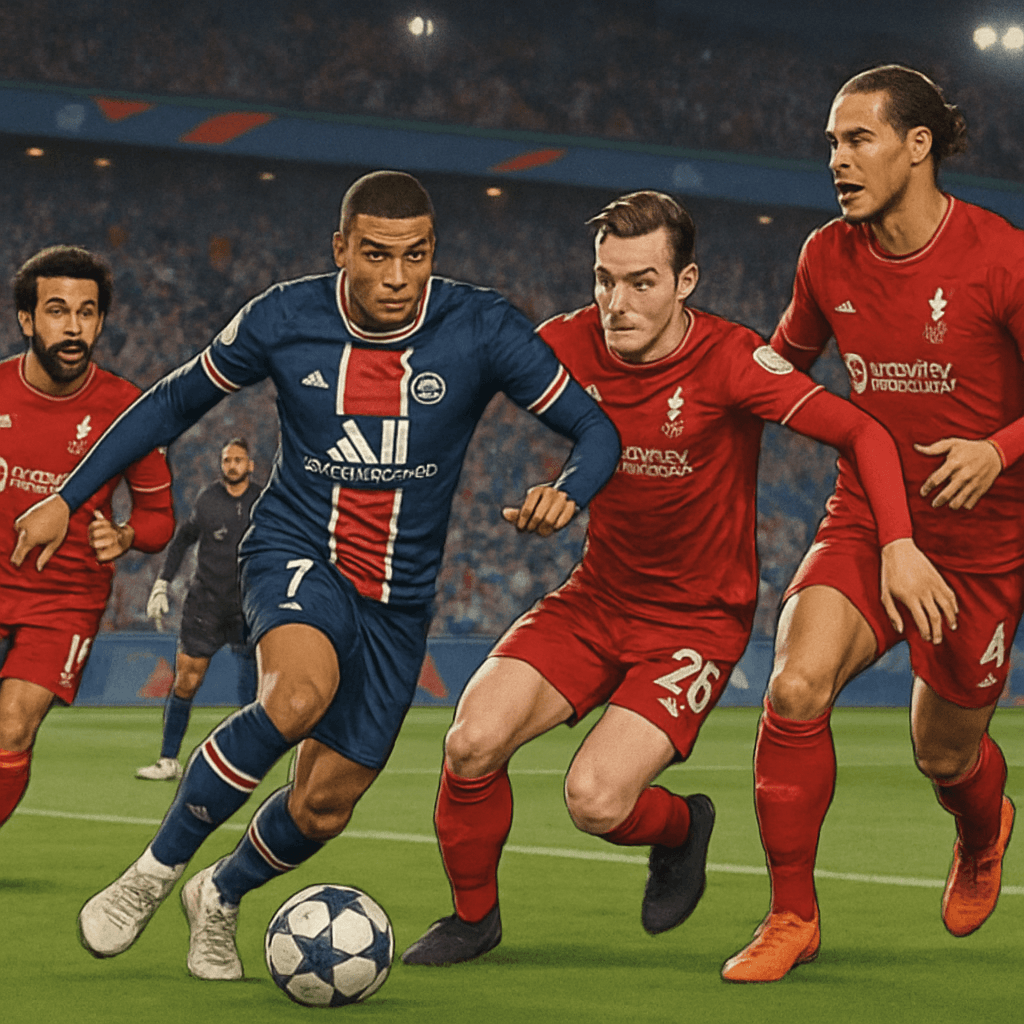
In their recent Champions League quarter-final first-leg match, Liverpool faced a daunting challenge against Paris St-Germain, resulting in a 2-0 defeat that has left their season precariously hanging by a thread. The match not only highlighted the stark contrast in performances between the two teams but also raised questions about Liverpool's tactical setup under manager Arne Slot.
Setting up with a back five was a surprising decision by Slot, especially given that this formation had only been utilized once before this season during a Carabao Cup defeat to Crystal Palace in October. The choice to adopt a more defensive structure against the reigning European champions was met with skepticism, particularly since Liverpool's attacking prowess had been under scrutiny throughout the season.
Performance Analysis: Liverpool's Struggles
The statistics from the match paint a grim picture for Liverpool. They managed a mere three shots, failing to register a single attempt on target, a first in Champions League history since 2020. This lack of offensive threat was compounded by PSG's dominance, as they controlled 74% of possession and fired off 18 shots. The disparity in these metrics underscores not just a tactical failure but a broader issue of confidence and form within the squad.
Former Liverpool defender Stephen Warnock remarked on the team's psychological state, stating, “It feels like confidence is at an all-time low.” This sentiment resonates with the overall performance; Liverpool appeared toothless and unable to pose any significant threat to PSG, who efficiently exploited the gaps left in Liverpool's defense.
Tactical Insights: The Back Five's Effectiveness
While the back five formation was intended to bolster Liverpool’s defensive capabilities, it inadvertently sent the wrong signals to both players and opponents. The high press that Liverpool attempted to implement was largely ineffective against a fluid PSG side that adeptly navigated their attempts to regain possession.
In the early stages of the match, Liverpool's front three attempted to engage PSG's midfield, but the French side's ability to drop one of their midfielders back into a makeshift back three thwarted Liverpool's pressing efforts. This tactical misalignment highlighted a disconnect between Liverpool's intentions and their execution on the pitch.
As the match progressed, the back five became increasingly exposed, with PSG capitalizing on the spaces left behind by Liverpool's pressing players. The tactical brief of maintaining a solid defensive structure failed to translate into effective counter-attacking opportunities, leaving Liverpool stranded in their own half for prolonged periods.
Looking Ahead: Liverpool's Prospects
With the second leg of the quarter-final looming, Liverpool's chances of overturning this deficit at Anfield depend heavily on their ability to regain confidence and re-evaluate their tactical approach. Slot's challenge will be to instill belief in his players while also crafting a game plan that maximizes their attacking potential without neglecting defensive responsibilities.
Fans and analysts alike are left wondering if Liverpool can conjure another memorable European night at Anfield, but the recent performances suggest that a monumental shift is required for that to happen. The upcoming clash will be pivotal not just for their Champions League aspirations but also for the broader narrative of their season, which has already seen 16 defeats in all competitions.


