Italy's World Cup Woes: A Call for Footballing Reform
Italy's failure to qualify for the 2026 World Cup highlights systemic issues in their footballing approach, calling for urgent reforms.
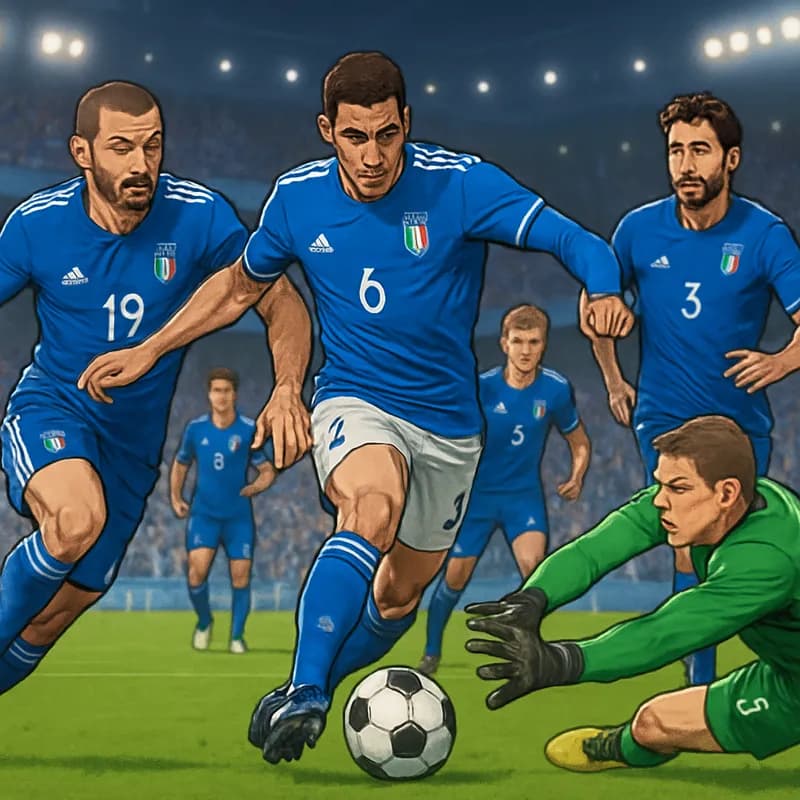
Italy's World Cup Qualification Disaster
Italy's absence from the 2026 World Cup marks a significant low point in the nation's football history. After a disappointing playoff exit against Bosnia and Herzegovina, the Azzurri will miss their third consecutive World Cup, a stark contrast to their historical success, having lifted the trophy four times.
This ongoing failure is not merely a result of a single unfortunate campaign; rather, it reflects a series of long-standing systemic issues within Italian football. The country, once a powerhouse in the sport, is struggling to adapt to modern football demands. While nations like France and Germany have successfully developed pathways for nurturing young, technically proficient players, Italy seems stuck in outdated methodologies.
Systemic Issues and Tactical Inconsistency
One of the primary challenges facing Italian football is the inconsistency in style and approach. The success of Italy's Euro 2020 victory was built on a possession-based, high-pressing game that has since been abandoned. This inconsistency has been exacerbated by frequent managerial changes, leading to a lack of a cohesive tactical identity. Each new manager brings a different philosophy, leaving players in a state of uncertainty and resulting in inconsistent performances on the pitch.
Moreover, despite calls from influential figures in Italian football for comprehensive development plans, there has been a noticeable lack of implementation. This stagnation in modernizing training and development systems has left Italy trailing behind other footballing nations.
The Path Forward
To restore Italy's status in international football, significant reforms are necessary. The Italian Football Federation must prioritize a unified vision for player development that aligns with contemporary football trends. This includes investing in grassroots programs and ensuring that young players are equipped with the skills needed to compete at the highest levels.
Additionally, establishing a consistent tactical framework that transcends managerial changes could help stabilize the national team. By fostering a clear identity and philosophy, Italy can begin to rebuild and work towards regaining its place among football's elite.
In conclusion, Italy's failure to qualify for the 2026 World Cup serves as a wake-up call for the nation. Addressing these deep-rooted issues is essential for the future of Italian football. Without significant reform, the Azzurri's struggles are likely to continue, further diminishing a once-great footballing legacy.