Champions League Tactical Trends: Goals Galore and Defensive Lapses
A tactical review of the Champions League semi-final first legs, highlighting attacking prowess and defensive weaknesses from PSG and Bayern Munich.
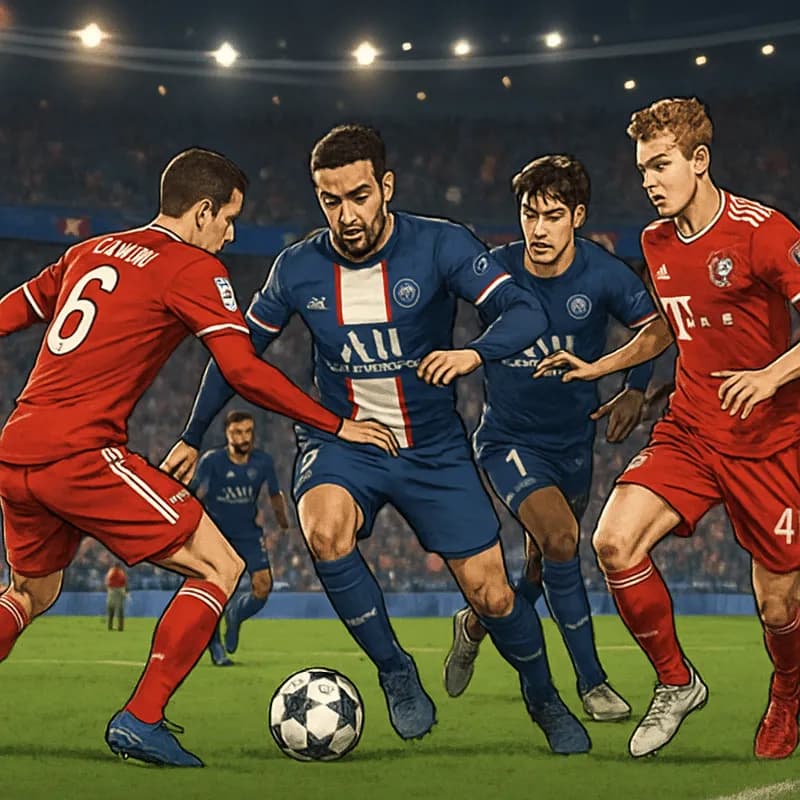
Champions League Semi-Final Review: A Tactical Analysis
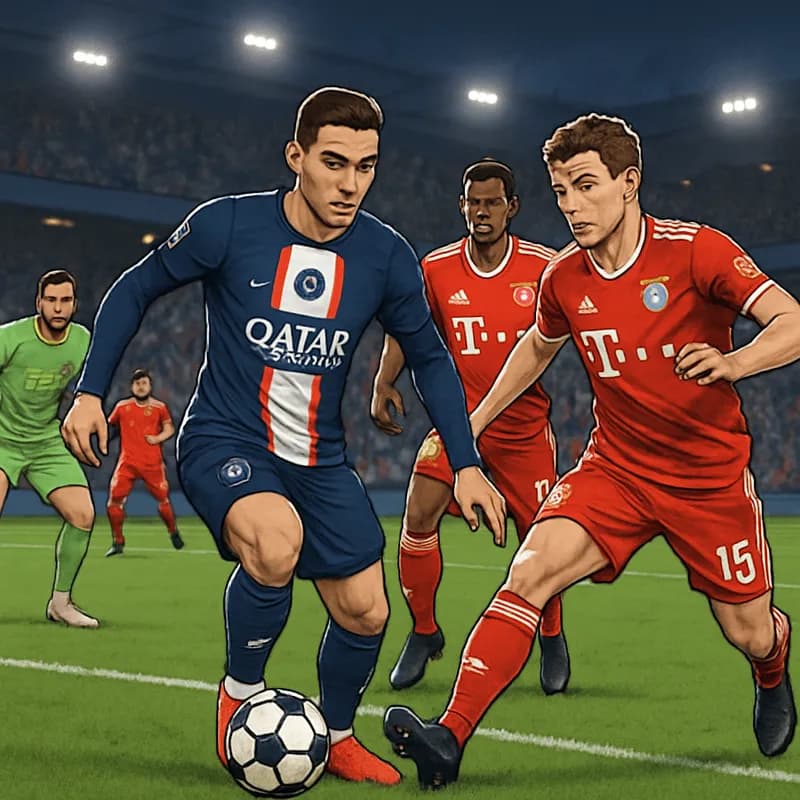
The first leg of the Champions League semi-finals delivered a stunning spectacle, with Paris Saint-Germain (PSG) and Bayern Munich engaging in a thrilling nine-goal encounter. This match not only captured the attention of fans but also raised significant questions regarding tactical approaches and team performances at this elite level.
Both teams showcased their attacking capabilities, indicative of their status as two of Europe’s most formidable sides. The game was characterized by rapid transitions, high pressing, and relentless attacking play. This approach, while exhilarating for spectators, highlighted a concerning trend: the apparent decline of defensive discipline in high-stakes matches.
Attacking Prowess: PSG and Bayern's Offensive Strategies
PSG’s attacking trio, led by the likes of Neymar and Kylian Mbappé, demonstrated exceptional synergy and creativity. Their ability to exploit spaces behind Bayern's defense was evident, resulting in numerous goal-scoring opportunities. The fluidity of their movement and the quick interchanges allowed them to dismantle Bayern's backline, which struggled to adapt to their pace and technical skill.
On the other hand, Bayern Munich, despite conceding goals, showcased their own attacking strengths. The team’s ability to respond quickly to setbacks, scoring multiple times in a single match, reflects their resilience and attacking depth. However, this reliance on outscoring opponents exposes a tactical vulnerability that could be exploited in the return leg.
Defensive Concerns: A Tactical Overview of Defensive Lapses
While the attacking display was commendable, the defensive organizations of both teams were notably porous. PSG, under the guidance of manager Luis Enrique, displayed a tactical approach that seemed to prioritize offensive flair over defensive solidity. This was epitomized by their inability to maintain structure when transitioning from attack to defense, allowing Bayern to capitalize on counter-attacking opportunities.
Bayern Munich's defense, traditionally known for its robustness, appeared unsettled. The absence of a cohesive defensive strategy led to confusion among defenders, particularly during high-pressure situations. This lack of communication and coordination resulted in critical errors, which PSG exploited mercilessly.
The tactical implications of this match extend beyond individual performances; they offer insight into the evolving nature of football at the highest level. Teams are increasingly prioritizing attacking play, often at the expense of defensive responsibilities. This trend raises questions about the balance between offense and defense, particularly in knockout competitions where the stakes are significantly higher.
As the teams prepare for the second leg in Munich, both managers must address these tactical deficiencies. For PSG, reinforcing defensive structures while maintaining their attacking threat will be crucial. Meanwhile, Bayern must find a way to restore their defensive cohesion while sustaining their attacking momentum. The outcome of this tie will not only determine who advances to the final but also serve as a case study for tactical evolution in modern football.