Post-World Cup Tensions: Argentina's Controversial Actions
Luis de la Fuente criticizes Argentina's behavior post-World Cup final. The incidents raise important questions about sportsmanship in international football.
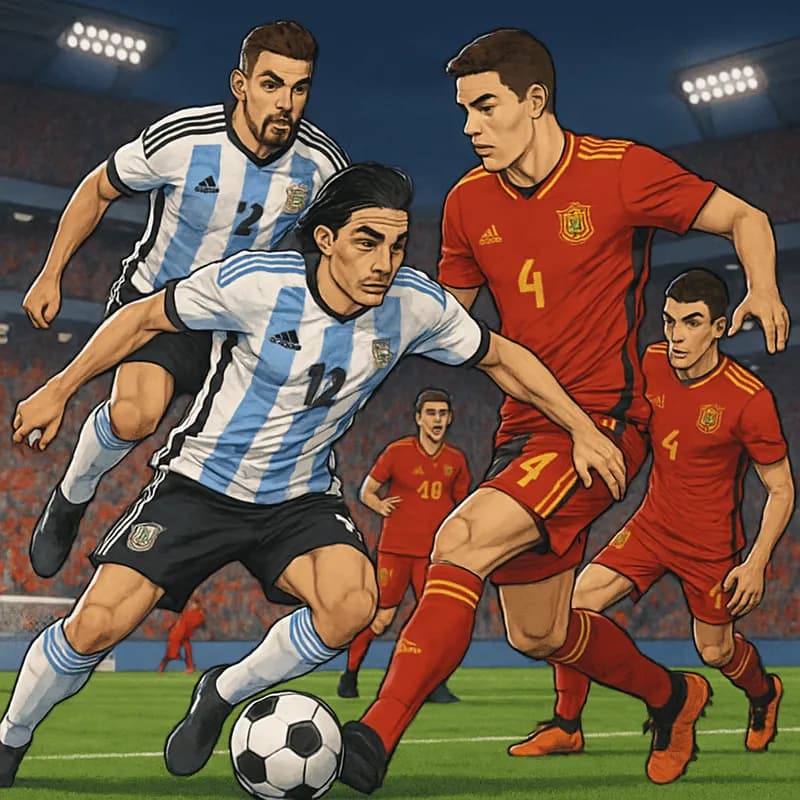
Argentina's Behavior After World Cup Final Sparks Outrage
The 2026 FIFA World Cup final not only crowned Spain as champions for the second time but also ignited controversy surrounding the behavior of the Argentine players. In the aftermath of Spain's victory, head coach Luis de la Fuente expressed his dismay at what he described as 'intolerable' actions from some Argentine players.
During the celebrations at the New York New Jersey Stadium, tensions escalated as Argentine players, notably Nahuel Molina and Leandro Paredes, confronted Spanish players Rodri and Eric García. Paredes did not stop there, also approaching Spain's young star Gavi. De la Fuente highlighted these incidents as acts of aggression that were unacceptable in a sporting context.
Reflecting on the moment, De la Fuente noted, “At the time, I didn’t realise it. I was celebrating, hugging teammates. But in any case, it is intolerable, unacceptable, it cannot be allowed.” His remarks underscore the disappointment felt not just within the Spanish camp but also the potential implications for international football decorum.
While FIFA has initiated an investigation into the events, no sanctions have yet been imposed. This delay raises questions about the consistency of disciplinary actions within international football, especially for behavior that could lead to broader conflicts on the field.
The Role of Sportsmanship in International Football
The incidents following the final have sparked discussions about sportsmanship and the responsibilities of players in high-stakes matches. De la Fuente praised his own team's conduct amidst these provocations, indicating that maintaining composure is vital, especially during tense moments like a World Cup final.
As football continues to evolve, the expectation for player behavior, particularly during such high-pressure situations, remains a critical topic. The actions of the Argentine players have not only drawn ire but may also set a precedent for how future instances of on-field aggression are addressed by governing bodies like FIFA.
As fans and analysts reflect on this World Cup, the focus will likely not only be on Spain's triumph but also on the lessons learned regarding sportsmanship and respect among players, regardless of the outcome of a match.


