Japan's Tactical Masterclass: Dominance Over Tunisia
Japan showcased tactical brilliance with a 4-0 win over Tunisia, highlighting key players and strategies in their World Cup encounter.
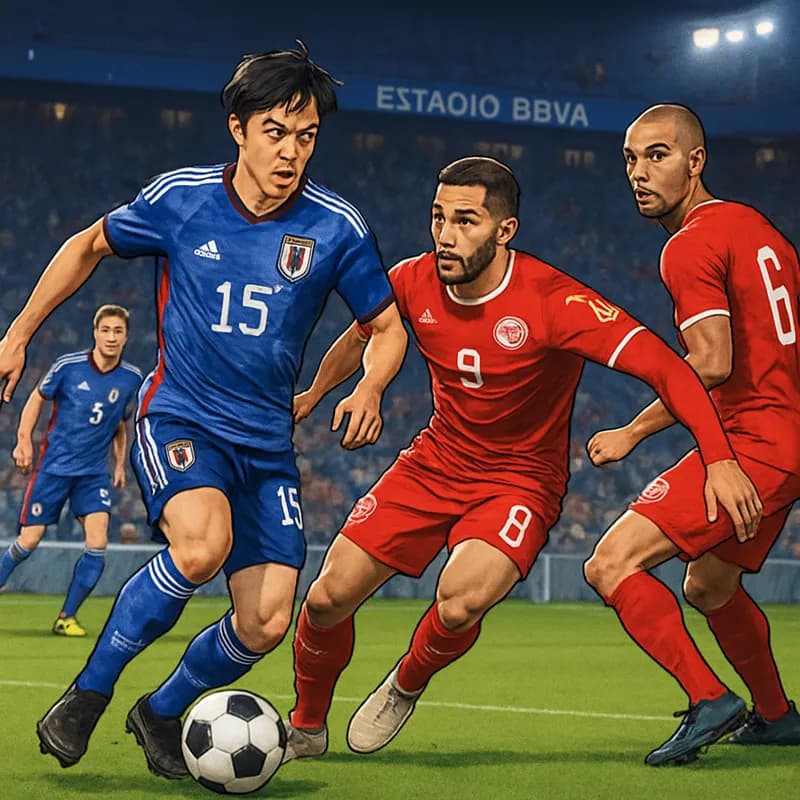
Japan's Tactical Brilliance Against Tunisia
In a decisive encounter at the FIFA World Cup, Japan delivered a stunning performance, defeating Tunisia 4-0 at the Estadio BBVA. This match not only marked Japan's dominance in Group F but also highlighted their tactical prowess and player form, especially in the context of Tunisia's struggles.
From the outset, Japan displayed a well-organized and intense pressing game that stifled Tunisia's attempts to build any meaningful attacks. The Japanese players, ranked significantly higher than their opponents, executed their game plan flawlessly, showcasing their superior fitness and tactical understanding.
Key Players and Tactical Execution
One of the standout performers was **Ayase Ueda**, who not only scored a spectacular goal but also provided an assist for the third goal. His ability to find space and create opportunities demonstrated Japan's effective use of both width and depth in their attacking play. The opening goal by **Daichi Kamada**, set up by **Keito Nakamura**, exemplified Japan's quick transitions and clinical finishing. This goal came from a sweeping move that caught the Tunisian defense off guard, a recurring theme throughout the match.
As the game progressed, Japan maintained their composure and continued to apply pressure. The third goal, scored by **Junya Ito**, was a result of Ueda's clever play that showcased Japan's tactical adaptability, allowing them to exploit Tunisia's defensive weaknesses effectively. Japan's fourth goal further emphasized their attacking depth, with players stepping up at crucial moments.
Tunisia's Struggles and Tactical Shortcomings
On the other hand, Tunisia's performance was characterized by disorganization and a lack of cohesion. Following a disappointing 5-1 loss to Sweden in their opening match, Tunisia's head coach **Herve Renard** faced an uphill battle, having only recently taken charge. Despite his experience from previous World Cups, he could not instill the necessary tactical discipline in his squad to compete against Japan.
Tunisia's defensive frailties were evident as they struggled to cope with Japan's dynamic attacking movements. They conceded nine goals in two matches, indicating a significant need for improvement in both their defensive organization and midfield stability. Renard's tactics appeared reactive rather than proactive, failing to adapt to Japan's pressing game and quick transitions.
As Tunisia exits the tournament, it is clear that they must reassess their tactical approach and player selection moving forward. Meanwhile, Japan's emphatic victory serves as a powerful statement of intent as they look to advance further in the World Cup.


